SARTCOL in Nigeria’s Art Ecology
By Sartcol
Published On October 21, 2025
We are delighted to present this special feature by Professor Chuu Krydz Ikwuemesi, whose insightful reflections were inspired by our Colloquium held on September 20, 2025, in partnership with the Alliance Française de Lagos. This article stands as a testament to the enduring relevance of our theme, Art Collecting and Preservation: Best Practices in Documenting and Protecting Your Collection and the meaningful conversations it sparked.
We invite you to read, reflect, and share your thoughts.
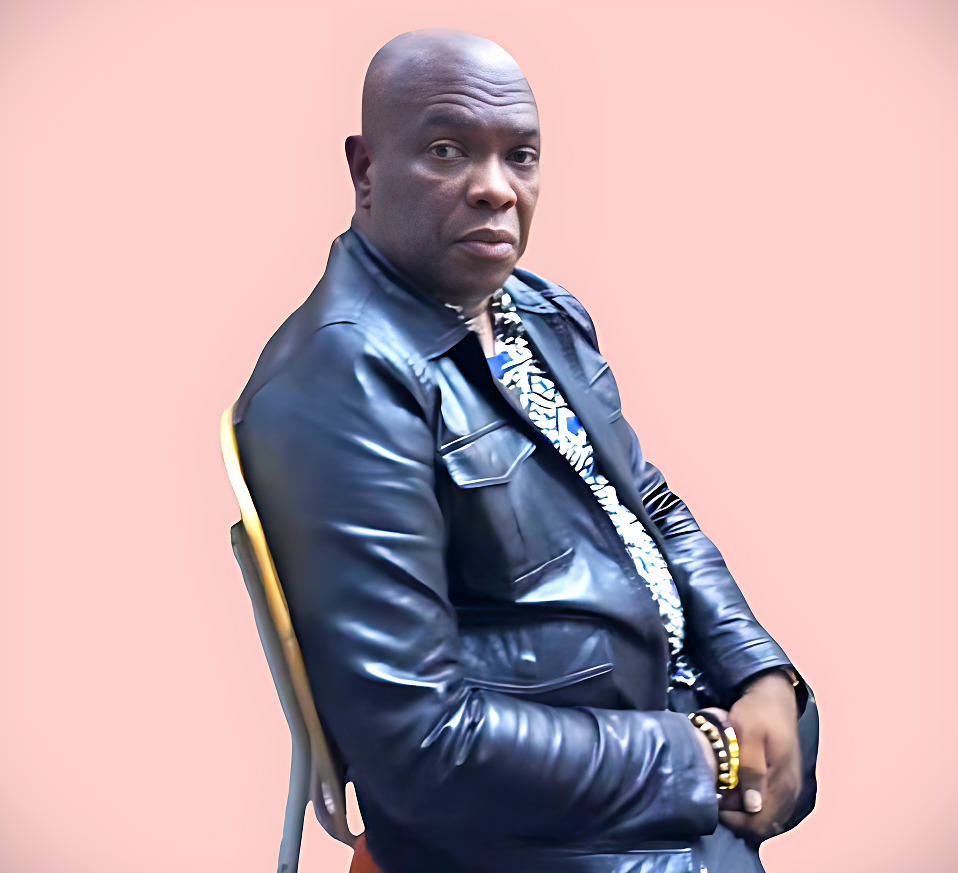
The other day, I was a guest of Dr. Okey Anueyiagu – notable art collector – at an event of the Society for Art Collection (SATCOL) at Alliance Française, Mike Adenuga Centre, Ikoyi Lagos. The theme of the well-attended colloquium was “Art Collection and Preservation: Best Practices for Protecting Your Collection.” Although the theme sounded exclusive, as it seemed tailored to the collector’s need and welfare, the evening turned out to be genuinely fructifying for the art tribe, including collectors, art dealers, art writers and artists.
With Dr. Anueyiagu’s opening remarks which centered on SARTCOL’S founding, founders, essence and mission, the stage was set for the three main segments of the event, namely, a Keynote Lecture by Femi Akinsanya (eminent accountant and art collector), a panel discussion by Prof Fabian Ajogwu (Senior Advocate and art collector), Mrs Nkechi Adedeji (Deputy Director and Curator, Nationa Museum, Lagos), Dr. Dakuku Peterside (Nigeria’s leading public sector Turnaround Expert and Leadership Coach), Mr. Semiu Olushola Tinubu (Former MD/CEO, Scib Nigeria & Co. Ltd and Chiairman, Africa Insurance Brokers Assoiaton, AIBA) and a Question- and-Answer session moderated by one of my lively former students at University of Nigeria, Nsukka, Mr. Obinna Okerekeocha.
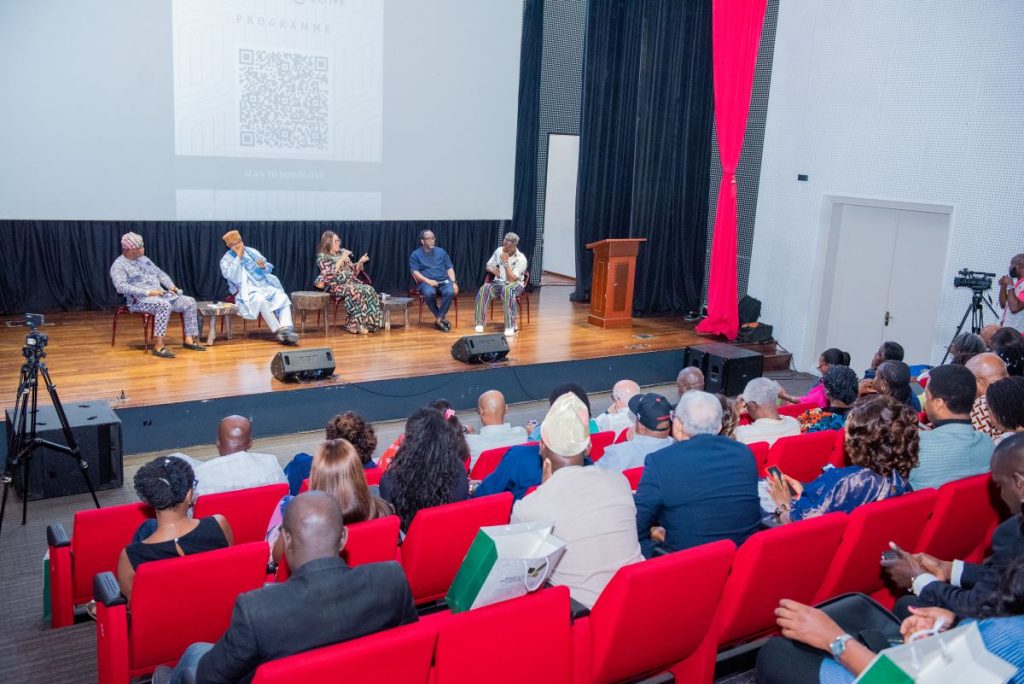
While Adesanya’s concise and matter-of-fact lecture dwelt on his experience as a collector and how it relates to the general art of art collecting, the panel discussion approximated an intensive and extensive discursive run through the jungle of issues in collectorship, with the panelists commenting on various factors concerning the phenomenon. Coming from a Museum background, for instance, Mrs. Nkechi Adedeji spoke on issues of preservation and conservation of objects and art and the National Museum’s capacity in that area. Not unnaturally, Prof. Fabian Ajogwu talked more on legal issues concerning collecting, while Dr. Dakuku Peterside addressed the possible regulation of the business of art. On his part, Mr. Semiu Olushola Tinubu shed light on the difficulty of insuring art, a very big challenge facing art and artists in Nigeria. The panel discussions finally culminated in very intriguing interaction between the speakers and the audience.
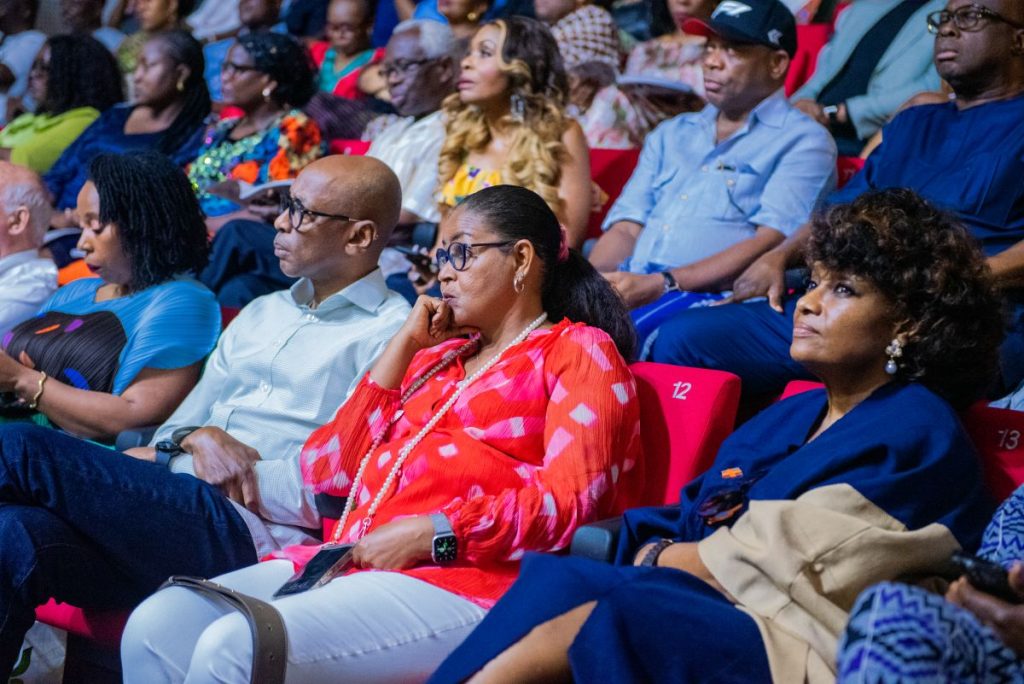
It was not an exhaustive session about art collecting. It did not have to be. But it was a very thought- provoking forum that foregrounded two important points. First is the fact that art collecting does not exist or function déhors the creative process. Second is the dire need for an art ecology or ecosystem – a functional and lively one – that can oil and turn the wheel of art in these parts. Logically the two issues tend to intertwine and compliment each other.
Most often, when we talk about the creative process, it is seen to begin and end with the creative artist as if the artist is alpha and omega, an end in himself/herself. There is no doubt that where an art ecology exists or is correctly imagined, the artist must be at the very centre, not just as the goose that lays the golden egg, but as the fundamental and, perhaps, the most important agency or factor in the eco-system of art, for the simple reason that art is there because there are artists. Yet the logical and eternal question that arises is whether the agency of the artist alone is enough to make art art; that is, can the artist’s person and effort suffice as enabling, consecrative and validating factors of art?
It would probably be so if the artist creates for himself/herself. But artists are common heritage of society and have communal value as Chinua Achebe relates in Anthills of the Savannah where the artist is likened to the voice of that cock that crows in the distant private compound but whose voice rouses, and belongs to, the entire community. To this extent, if works of art are graphic statements, they are certainly not soliloquies. Rather they are personal statements put out by artists in reaction to some inner creative urges to engage their time and society in sublime and instrumental dialogues. In that case, the creative process reflects the essence of a sociology of art that cannot be straddled or dominated by the artist all by himself/herself. For beyond the studio, other factors and forces come into play, not only to complete and consummate the creative process, but also to form an ecosystem that consecrates and consolidates art as a social product born out of the rigours of the human spirit.
One of those factors/forces is the collector. Like the biblical Noah, the collector is saddled with a higher cause in the sociology of art – that of preserving and conserving – in order to contribute to the perpetuation of the human race and the ideals of humanism. Without the factors that help to make art what it is by validating its intrinsic value and affirming and adding to its extrinsic value, art could lose its sacred and extraordinary essence and become a mere object or commodity. For art’s extraordinary essence is not fully intrinsic; it is mostly extrinsically bestowed through its encounter and romance with the consecrative factors already mentioned above. In this regard, one can easily draw an analogy between art and the dog’s tooth in the Tibetan legend relayed by my former pen-pal, Barbara Cartland, in one of her memoirs, I Seek the Miraculous. According to the hyper-prolific novelist,
“The son forgot, and the next year when he again made his journey his mother pleaded that he would remember her request. But his memory was fickle and the third year, with tears his mother, who was getting old, begged him not to fail her.
This time, just as the caravan was wending its way over the stony, barren land homewards, the man remembered. Ashamed to face his mother empty handed, he saw the skull of a dog lying on the wayside and, ripping a tooth from the jaw, he carried it home in triumph. “The tooth of a great and holy man” he told his delighted parent, who reverently laid it in an honorable position in her home, offering it adoration and prayer day after day.
News of the holy relic spread round, legends grew up about the enshrined tooth until people came from near and far to worship, journeying hundreds of miles over the bleak countryside to show their reverence for such wonder.
Then suddenly one day from the tooth came a blue light and a mystic and spiritual aura surrounded the relic.
The concentrated faith of the worshippers had made the tooth of a dog holy, but the holiness had come from them.14 “
We can draw an analogy between this dog’s tooth and art. Of what value is a piece of art – on canvas, in cement, in bronze, in metal, and so on – if the human person and human spirit do not bestow that value on it from outside of the object itself? Another analogy is possible with the ball in a game of football. The simple round leather acquires value and essence from the throng of the present and absent (virtual) spectators and is really worth nothing in itself. In other words, art reflects and shapes consciousness even as it is equally defined by consciousness from outside its formal and emotional makeup through the agency of the audience. To this extent, it becomes obvious that art’s value derives from an ecosystem in which art may be central but on which it also greatly depends. In that ecology which includes the collector, the museum, the gallery, art writer, art critic, and to some extent, the government, it is perhaps to the art collector that we must turn as we search for the oil that keeps the wheel of art turning. Little wonder Professor Ben Obumselu would argue that the history of art is not written in history books but on bank ledgers.
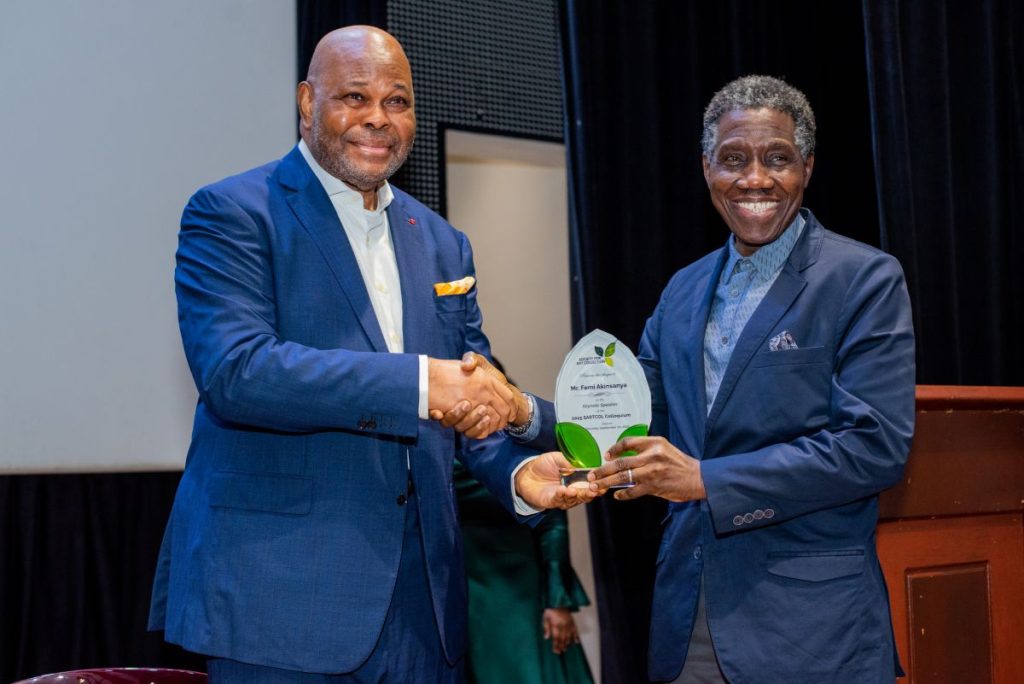
Although some people would argue that the relationship between the artist and the collector may be mutually vampirised (when it is not very cordial), it is to the art collector that we owe the Greek saying, often attributed to Hippocrates, whose oath those being admitted into the practice of some medical services swear to: “Life is short/art is long” (ὁ βιος βράκυς ή τήνη μακρα or Ho bios brachus, he techne makra). Yet art historians, especially in these parts, are yet to fully study and appreciate the place and role of the collector in the creative process, and by extension, the creative chain and the creative economy. SARTCOL not only foregrounds this gap through its very emergence but also tries to fill the gap through its activities, such as the recent colloquium in Lagos.
As the organization continues to grow and thrive, it is hoped that it will become a centralizing hub and a major force in advancing the cause of aesthetic enjoyment as well as the politics, sociology, and economics of art for the promotion of humanism in a geography shaped by (under)development, corruption and a highly tormented and tormenting economy.
Polyvalent artist, Chuu krydz Ikwuemesi, is a Professor of Painting and African Art History at University of Nigeria, Nsukka.